How to Start a Hoarding Clean Up With Someone You Love
A clean up goes better when the person who lives there stays in charge, and when the first goal is a safe way through the house.
October 27, 2026 · 4 min read
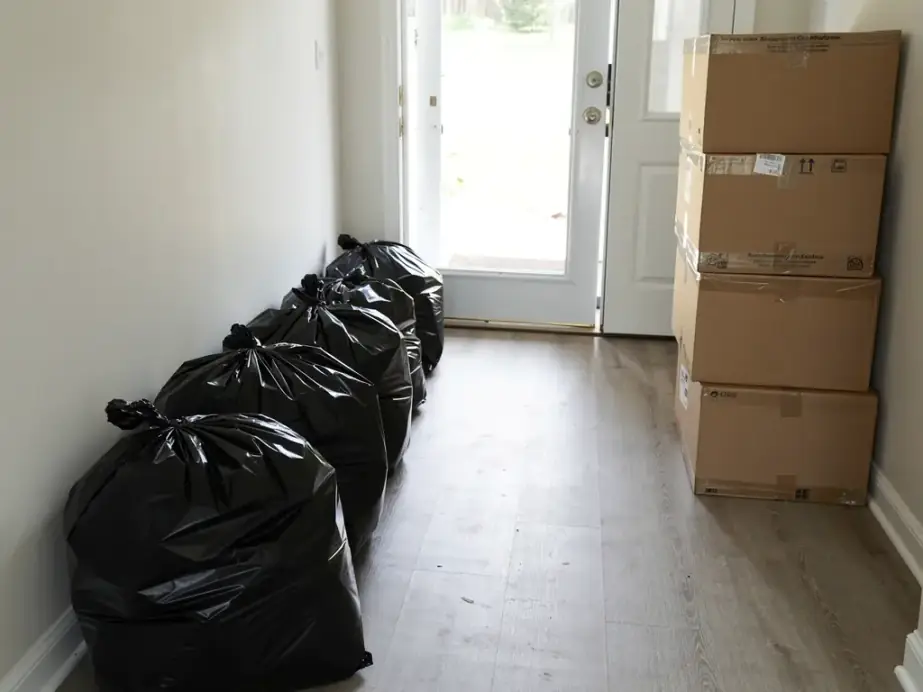
Most people who search for hoarding help aren't looking for a dumpster. They're looking for a way to walk into a parent's house, a sibling's apartment or their own hallway without feeling sick with worry. If that's you, the first thing to know is that the pile is rarely the real problem. The things in the house usually carry weight: grief, habit, fear of wasting something, a feeling that every object might be needed someday. A clean up that ignores that tends to fall apart within months. One that respects it has a much better chance of lasting.
Start with the person, not the pile
Before you touch a single bag, have a conversation. Choose a calm time, not the evening after a visit that rattled you. Say what you see in plain terms and say what you're afraid of: a fall, a fire hazard, a notice from a landlord, a furnace room nobody can reach. Then ask what they want the house to be like. Many people can describe a version of home they miss, a table where they once ate dinner or a bed they can climb into from both sides. That picture is your project goal, and it motivates far better than 'we have to get rid of all this.'
Expect resistance, and don't argue the point. Words like 'junk,' 'trash' and 'mess' land hard, because to the person who owns it, an object might be a memory or a safety net. Talk about the room instead: 'I'd love for you to be able to sit in your chair again.' Keep your tone the same on the fourth visit as it was on the first.
Safety first: paths and exits
Your first goal is not a tidy house. It's a house that someone can move through safely, including an emergency responder carrying equipment. Walk the home together and look at what could trip, block or fall. Start there, and leave everything else for later. A short list of priorities keeps the work from feeling endless.
- A clear path from the bed to the bathroom, wide enough to walk without turning sideways
- The front door and at least one other exit, with the floor in front of each fully clear
- Space around the stove, the furnace or water heater, and the electrical panel
- Stairs with nothing stored on the steps, and a handrail you can actually reach
- Tall stacks reduced to a height that won't topple if someone brushes past
Wear sturdy shoes and gloves, open a window if the air is stale, and take care with anything wet, sharp or spoiled. If you find food left out, damp cardboard or signs of pests, stop and think about whether this is a job for professionals. Lifting a pile that has sat for years can reveal surprises, and a cut or a bad fall isn't worth it.
Who decides what stays
This is where most family efforts break down. The rule that works best is simple: the owner decides. You can offer opinions and you can raise concerns about safety, but you shouldn't toss a bag behind their back. Even a well-meant secret purge can cost you the trust you need to finish the work, and it can send the house back to where it started even faster.
Try sorting into three loose groups: keep, let go and not sure yet. The 'not sure' group matters. It gives a person a way to say no without losing the whole conversation. Put those items in labeled boxes in one spot, and agree to look at them again in a few weeks. Often the answer comes easier the second time. Papers, medications, photographs and anything with a name or account number on it should be checked by hand, never bagged by the armful.
Keep the pace slower than feels natural
It's tempting to book one heroic weekend and be done. For most families, that backfires. A long day of decisions wears people out, and tired people dig in. Two or three hours at a time, one zone at a time, usually gets further. Pick a small, visible win for the first session, such as the kitchen table or the path to the bathroom, and stop while everyone is still on good terms.
Plan for the feelings, too. There will be a box of cards from a late spouse, a baby blanket, a stack of newspapers from a certain year. Let the person pause and tell the story. That isn't wasted time. It's often what makes it possible to let the next thing go.
When it helps to bring in outside help
Sometimes the job is bigger than a family can or should do alone. There may be too much volume, too much risk or too much history between you and the person whose home it is. A neutral crew that treats the space and the owner with respect can take pressure off the relationship. Cleaning and disinfecting afterward is its own task, and it's hard to do well while you're also carrying boxes and managing emotions.
Whoever you call, treat the estimate as a chance to gather information. See the scope in person, talk through your priorities, say out loud what's off limits, and decide on a first step without committing to everything at once.
JS Clean UP offers Hoarding Clean Up for homes in Monroe, Lehigh Valley and Northampton County, Pennsylvania. They clean and disinfect unclean and polluted locations and remove debris and garbage that could cause injury or health difficulties. Call 484-898-7190 for a free estimate and talk through where to begin.
JS Clean UP, 484-898-7190
Call 484-898-7190More articles
What to Set Aside Before a Junk Removal Crew Arrives
An hour of setting aside beforehand protects the things you would hate to lose or pay to replace.
Move-Out Cleaning: The Spots a Final Walk-Through Checks
Nobody judges the living room at a walk-through; they open the drawers, so clean the places that get opened.